Shining Smart: How I Boosted My Returns with Practical Jewelry Investing
Ever wondered if your jewelry could do more than just sparkle? I used to think of it as mere decoration—until I discovered how strategic jewelry investing can actually work for me. It’s not about flashing bling; it’s about building value over time, avoiding common traps, and making smarter choices that pay off. Jewelry, when selected with intention, can serve as a tangible store of wealth, insulated from the daily swings of stock markets and currency fluctuations. Unlike many consumer goods that depreciate the moment they’re purchased, certain pieces appreciate—sometimes dramatically—over decades. This isn’t speculation; it’s a growing trend among savvy investors who recognize that beauty and financial sense don’t have to be mutually exclusive. The key lies in understanding what creates lasting value, how to acquire it wisely, and when to let go for maximum return. This is not about impulse buys or fashion statements. It’s about treating jewelry as a serious, long-term asset—something personal, portable, and powerful.
The Hidden Potential in Your Jewelry Box
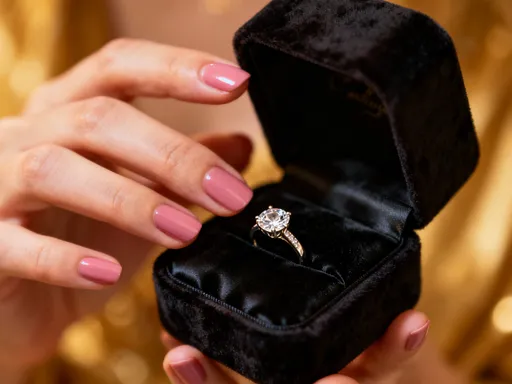
Jewelry often sits quietly in drawers, passed down through generations or tucked away after special occasions. For most, it’s viewed as sentimental or decorative—something to wear, not something to grow. Yet beneath the surface of these gleaming objects lies a quiet financial potential that many overlook. High-quality jewelry made with precious metals like gold, platinum, or silver, and set with genuine gemstones such as diamonds, rubies, sapphires, or emeralds, is not just ornamental; it’s a physical asset. Unlike clothing or electronics, which lose value rapidly after purchase, fine jewelry can maintain or even increase its worth over time. The transformation from accessory to asset begins with a shift in mindset: from seeing jewelry as a cost to recognizing it as a form of ownership.
What determines whether a piece holds or grows in value? Several key factors come into play. First is material quality. A ring made with 18-karat gold and a certified one-carat diamond is inherently more valuable than a similar-looking piece made with lower-grade materials. Then there’s craftsmanship. Handmade or artisanal pieces, especially those from renowned jewelers, often carry a premium due to their precision, durability, and artistry. Rarity also plays a significant role. Limited production runs, discontinued designs, or stones from historically significant mines can elevate a piece beyond its initial price. Consider vintage Cartier or Tiffany & Co. pieces from the mid-20th century—many of which now sell for multiples of their original cost at auction. These are not exceptions; they are examples of how taste, quality, and time can intersect to create real financial returns.
One real-life example involves a woman in New England who inherited a modest sapphire and diamond ring from her grandmother. Initially unsure of its worth, she had it appraised and discovered it contained Ceylon sapphires—a highly prized origin known for its vivid blue hue. With proper documentation and certification, the ring sold at auction for over three times its estimated value. This wasn’t luck; it was the result of intrinsic value meeting market demand. Stories like this underscore a powerful truth: many people already own undervalued assets. The challenge isn’t finding rare treasures—it’s learning to recognize them. By reevaluating what’s already in your possession, you may uncover hidden equity that can be preserved, enhanced, or strategically liquidated when needed.
Why Jewelry? Understanding Its Role in a Diversified Portfolio
When most people think of building wealth, their minds turn to stocks, bonds, real estate, or retirement accounts. Jewelry rarely makes the list. Yet, it occupies a unique space in the world of personal finance—one that complements traditional investments rather than competes with them. As a tangible asset, jewelry offers portability, privacy, and resilience in times of economic uncertainty. Unlike digital portfolios that can fluctuate with a single news headline, a well-chosen piece of jewelry remains physically present, unaffected by market crashes or bank failures. This makes it an effective hedge against inflation, particularly when crafted from gold or platinum—metals whose intrinsic value tends to rise when currencies weaken.
One of the most compelling advantages of jewelry as an investment is its dual nature: it is both functional and financial. You can wear it, enjoy it, and still benefit from its appreciation. This emotional durability sets it apart from other alternative assets like rare coins or classic cars, which often require storage, maintenance, and are not part of daily life. A diamond pendant or a platinum bracelet can be worn to dinner, passed down to a daughter, and still serve as a store of value. This combination of utility and wealth preservation is rare in the investment world.
Moreover, jewelry offers a level of privacy that few other assets provide. Unlike stock holdings or real estate records, which are often public or reported to tax authorities, fine jewelry can be held discreetly. While transparency is important for legal and insurance purposes, the ability to maintain control over when and how you disclose ownership can be a strategic advantage. This does not mean avoiding taxes or regulations—far from it. It means having flexibility in how you manage and transfer wealth, especially across generations. Families have used heirloom jewelry for centuries as a way to preserve legacy without attracting attention.
Compared to other collectibles like art or vintage watches, jewelry also tends to be more liquid. Reputable auction houses, specialized dealers, and online marketplaces provide established channels for selling high-quality pieces. While liquidity depends on demand and condition, a certified diamond ring or a signed vintage brooch from a major house can attract serious buyers worldwide. Of course, jewelry should not be seen as a short-term trading vehicle. It’s not meant to replace a diversified portfolio but to enhance it—adding stability, beauty, and long-term value. When approached with discipline, it becomes not just an adornment, but a deliberate part of a thoughtful financial strategy.
Spotting Value: What Actually Appreciates (And What Doesn’t)
Not all jewelry is created equal, and this is where many investors stumble. A $3,000 designer pendant from a luxury fashion brand may look impressive, but it often loses a significant portion of its value the moment it leaves the store—much like a new car. The markup on such pieces is high, and resale markets for non-precious or mass-produced items are limited. True appreciation comes from pieces that combine rarity, quality, and authenticity. These are the factors that separate fleeting fashion from lasting value.
Start with metal content. Gold, platinum, and high-purity silver form the foundation of valuable jewelry. The karat weight of gold—whether 14K, 18K, or 24K—directly affects its worth. Similarly, platinum, though denser and rarer than gold, maintains strong demand due to its durability and luster. Always check for hallmarks or stamps that verify metal purity. These small engravings are not just regulatory requirements; they are proof of authenticity and a key factor in valuation.
Next, examine gemstones. A diamond’s value is determined by the four Cs: carat, cut, color, and clarity. But beyond these, origin matters. Diamonds from historic mines like those in South Africa or Russia, especially older European-cut stones, often carry a premium. Colored gemstones like Burmese rubies, Kashmir sapphires, or Colombian emeralds are particularly sought after due to their scarcity and rich hues. Certification is critical—reputable labs like the Gemological Institute of America (GIA) or the American Gem Society (AGS) provide unbiased assessments that support value claims. Without certification, even a stunning stone may struggle to find a buyer willing to pay top dollar.
Brand heritage also plays a role. Pieces from established houses like Van Cleef & Arpels, Bulgari, or Harry Winston often command higher prices due to their craftsmanship, design legacy, and collector demand. Vintage and antique jewelry, especially from the Art Deco or Edwardian eras, frequently appreciate because of their historical significance and limited availability. In contrast, modern fashion jewelry made with cubic zirconia, base metals, or synthetic stones may look beautiful but lacks the intrinsic value needed for long-term growth. The lesson is clear: focus on materials, provenance, and certification. These are the pillars of enduring worth.
The Buy-Right Mindset: Timing, Sources, and Negotiation Tactics
Acquiring valuable jewelry is not just about what you buy—it’s about how, when, and where you buy it. The most successful investors cultivate a buy-right mindset: patient, informed, and strategic. Impulse purchases rarely lead to strong returns. Instead, the best opportunities often arise from estate sales, auctions, or private sellers who may not fully understand the value of what they’re offering. These settings can yield undervalued pieces, especially when the seller is motivated or lacks documentation.
Auctions, both live and online, are fertile ground for discovery. Major houses like Sotheby’s or Christie’s offer curated collections with full provenance and expert appraisal, but they come with buyer’s premiums. Smaller regional auctions may lack the same prestige but can offer excellent value, particularly for vintage or estate jewelry. The key is research. Knowing the typical market price for a particular style or maker allows you to bid confidently and avoid overpaying. Online platforms have expanded access, but they require caution. Photos can be misleading, and descriptions may omit flaws. Whenever possible, inspect pieces in person or request high-resolution images and detailed reports.
Estate sales and private dealers offer another avenue. Families clearing a home after a loss may not realize the worth of a grandmother’s brooch or a forgotten bracelet in a jewelry box. Building relationships with reputable dealers can open doors to off-market opportunities. Many jewelers prefer to sell directly to trusted buyers rather than go through auction houses, which can mean better pricing and earlier access. Negotiation is expected in these settings, unlike retail stores where prices are typically fixed. Being polite but firm, asking about provenance, and expressing genuine interest can lead to favorable terms.
Timing also influences value. Certain metals and gemstones perform better during inflationary periods or geopolitical uncertainty. Gold, for instance, often rises in value when stock markets decline. Seasonal trends can affect pricing too—jewelers may offer discounts after holidays like Valentine’s Day or Mother’s Day to clear inventory. Patience pays off. Waiting for the right piece at the right price, rather than chasing trends, is a hallmark of disciplined investing. The goal is not to own everything that sparkles, but to acquire what truly matters.
Protecting Your Investment: Appraisal, Insurance, and Storage
Owning valuable jewelry is only half the equation; protecting it is equally important. Without proper safeguards, even the most valuable piece can become a financial loss due to theft, damage, or loss. The first step in protection is documentation. A professional appraisal from a certified gemologist or appraiser provides an official record of value, materials, and characteristics. This document is essential for insurance claims and future resale. Appraisals should be updated every three to five years to reflect changes in market value, especially for pieces expected to appreciate.
Insurance is non-negotiable. Standard homeowner’s or renter’s policies often provide limited coverage for jewelry and may exclude high-value items. A separate rider or a specialized jewelry insurance policy offers more comprehensive protection, covering loss, theft, and damage regardless of location. Companies like Jewelers Mutual or Chubb offer policies tailored to fine jewelry, with features like worldwide coverage and no deductible for certain claims. When selecting a policy, ensure it covers replacement value rather than market value, so you can acquire a comparable piece if needed.
Storage is another critical factor. Keeping jewelry in a flimsy box on a dresser invites risk. A home safe bolted to the floor or a safe deposit box at a bank provides far greater security. For those with extensive collections, professional vault storage services offer climate control, fire protection, and 24/7 monitoring. Regardless of the method, organization is key. Use soft-lined trays to prevent scratches, store pieces separately, and clean them regularly to maintain luster and detect wear early.
Discreet ownership practices also contribute to safety. Avoid discussing valuable pieces in public or posting photos on social media, which can make you a target. Keep records in a secure location, separate from the jewelry itself. By treating your collection with the same seriousness as a financial portfolio, you ensure that its value is preserved for years to come. Protection isn’t paranoia—it’s prudence.
When to Sell: Maximizing Returns Without Rushing
Selling jewelry can be one of the most emotionally charged financial decisions. Sentimental attachments, family history, or fear of regret can cloud judgment. Yet, knowing when and how to sell is crucial for realizing returns. The ideal time to sell is not when you need cash urgently, but when market conditions are favorable and the piece has reached or exceeded its growth potential. This requires monitoring trends in precious metals, gemstone demand, and collector interest.
Global events can influence value. For example, during periods of economic instability, demand for gold and high-quality diamonds often rises, driving up prices. Similarly, renewed interest in vintage design—such as the recent revival of Art Deco styles—can boost the value of certain eras. Staying informed through industry publications, auction results, and dealer networks helps identify these windows of opportunity.
Choosing the right sales channel is equally important. Selling to a local jeweler may be fast, but offers are often below market value since the buyer needs room for profit. Auction houses provide access to a global pool of collectors and can achieve premium prices, especially for rare or branded pieces. However, they charge seller’s commissions and require time to prepare and promote the sale. Private sales, facilitated through trusted dealers or online platforms, offer a middle ground—potentially higher returns than retail buybacks, with less time and cost than auctions.
Emotional detachment is essential. Avoid selling during times of personal distress or financial pressure, as this often leads to accepting low offers. Instead, plan the sale in advance, gather multiple valuations, and wait for the right buyer. A well-documented, certified piece in excellent condition will attract serious interest. The goal is not to unload an item, but to transition it from asset to profit with confidence and clarity.
Balancing Passion and Profit: A Sustainable Approach to Jewelry Investing
The most enduring investments are those that align with both heart and mind. Jewelry offers a rare opportunity to merge personal taste with financial strategy. The smartest investors don’t buy every piece that catches the light; they build focused collections based on quality, rarity, and long-term potential. This requires discipline—resisting trends, avoiding impulse buys, and staying informed about market dynamics.
Jewelry investing is not a get-rich-quick scheme. It’s a long-term endeavor, often spanning decades. Returns may not be as rapid as stock market gains, but they are steadier and less volatile. The true reward lies in owning something beautiful that also holds or grows in value. Over time, a carefully curated collection can become a meaningful part of a family’s financial legacy—passed down not just as heirlooms, but as assets.
Risk awareness is crucial. Market demand shifts, fashions change, and not every piece will appreciate. Diversification within the category helps—owning a mix of metals, gemstones, and eras reduces exposure to any single trend. Regular evaluation, proper documentation, and professional advice ensure that decisions are based on facts, not emotion.
In the end, jewelry investing is about more than money. It’s about intention. It’s choosing pieces that speak to you, that are built to last, and that can serve a purpose beyond adornment. By combining passion with practicality, you create a legacy of beauty and value—one that shines today and endures for generations to come.